
Elevator Exhibition Checklist: What Should Businesses Prepare?
By Liftira Engineering, Engineering Team · 3 min read · Updated Oct 23, 2026
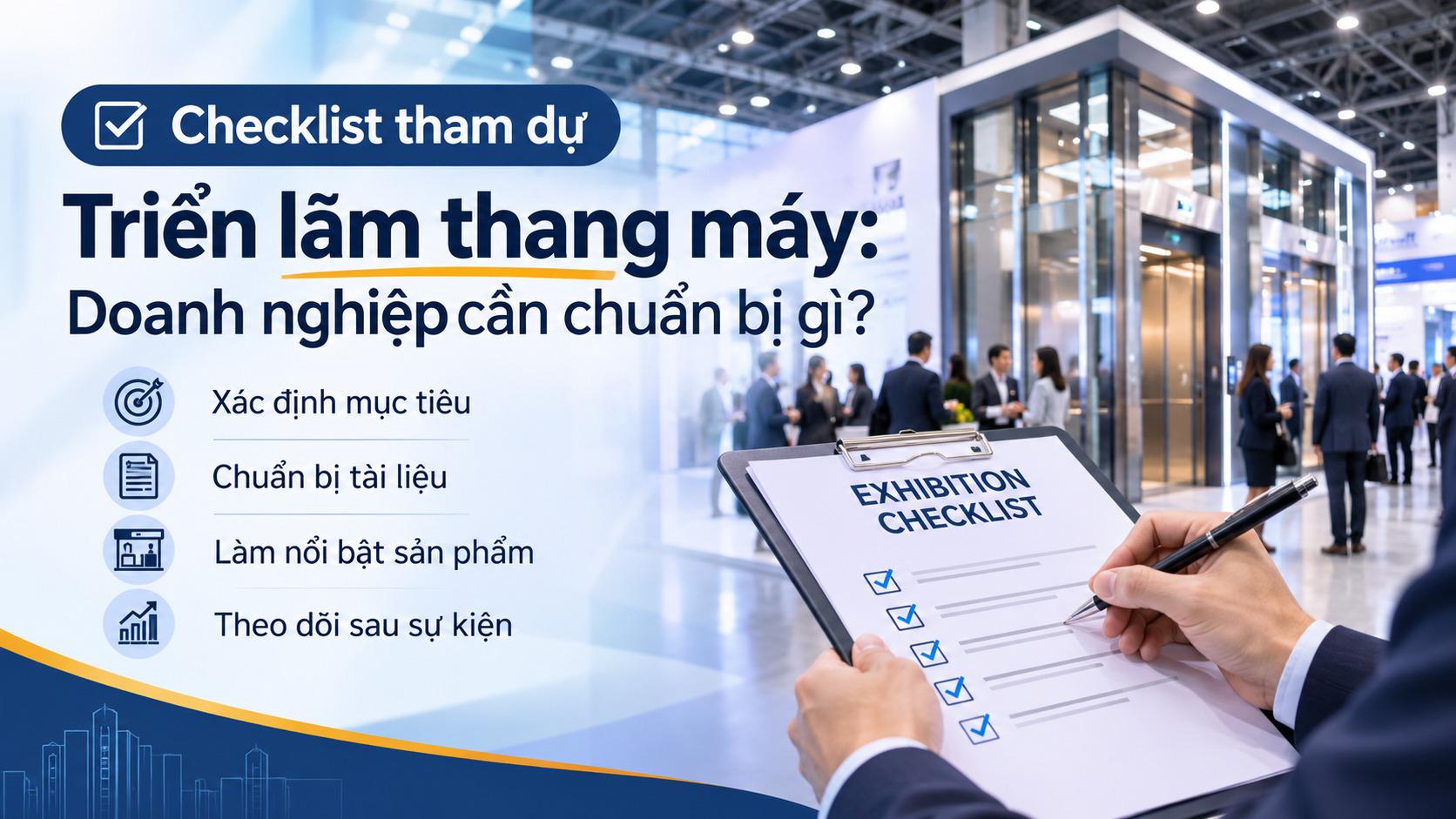
Elevator Exhibition Checklist: What Should Businesses Prepare?
Industry exhibitions give elevator businesses an opportunity to reach potential customers, find business partners, and showcase products in person. However, the success of participation depends not only on the scale of the event but also on how businesses prepare beforehand, engage with visitors during the exhibition, and maintain relationships afterward.
For elevator manufacturers, dealers, distributors, and companies involved in elevator design, construction, and installation, the following checklist can help make exhibition preparation more focused and effective.
1. Define Your Exhibition Objectives
Before registering for an exhibition, businesses should clearly identify what they want to achieve. Common objectives include:
- Finding new customers or project opportunities.
- Expanding dealer and distributor networks.
- Identifying suppliers of components, materials, or equipment.
- Introducing new product lines.
- Exploring new technologies and researching market trends.
The more specific the objectives, the easier it becomes to identify the right people to meet, prepare relevant materials, and evaluate the results after the event.
2. Prepare Product Presentation Materials
Presentation materials should help visitors quickly understand what your business offers, what differentiates your products, and how they can get in touch when they have a requirement.
Consider preparing the following:
- Product catalogs: Information about elevator models, product ranges, and design options.
- Technical specifications: Details tailored to different customer groups and project requirements.
- Project references: Photos of completed installations that demonstrate experience and delivery capabilities.
- Material samples and color charts: Useful for presenting elevator cabin finishes and customization options.
- Company information: Website, contact details, and preferred channels for follow-up communication.
Rather than distributing too much information at once, prioritize materials that are directly relevant to each visitor's needs.
3. Make Your Products Stand Out at the Exhibition
Visitors often encounter multiple brands within a short period. Product displays should therefore be clear, easy to explore, and consistent with the company's brand identity.
Businesses should consider:
- Organizing products and material samples into clear categories.
- Highlighting important product features and differentiators.
- Preparing videos or photos that show products in real-world applications.
- Ensuring booth staff can explain technical details and potential partnership opportunities.
For elevator cabins with multiple colors, materials, and interior design options, static images or individual samples may not fully communicate how different elements work together in the finished product.
Alongside traditional catalogs, businesses can consider interactive 3D models that allow customers to view elevator cabins from different angles and explore supported customization options.
Present Elevator Cabins More Visually with Liftmira
Liftmira, an interactive 3D solution for the elevator industry by Comnosoft, helps businesses showcase elevator cabin designs directly on their websites.
The solution can complement existing product presentation workflows, allowing customers to explore cabin designs and materials before discussing their requirements in greater detail with the sales team.
Interactive product experiences provide another way to present design options alongside traditional catalogs, photographs, and physical material samples.
4. Follow Up After the Exhibition
The end of an exhibition does not mean the networking process is complete. Following up helps businesses maintain relationships and continue discussions about opportunities identified during the event.
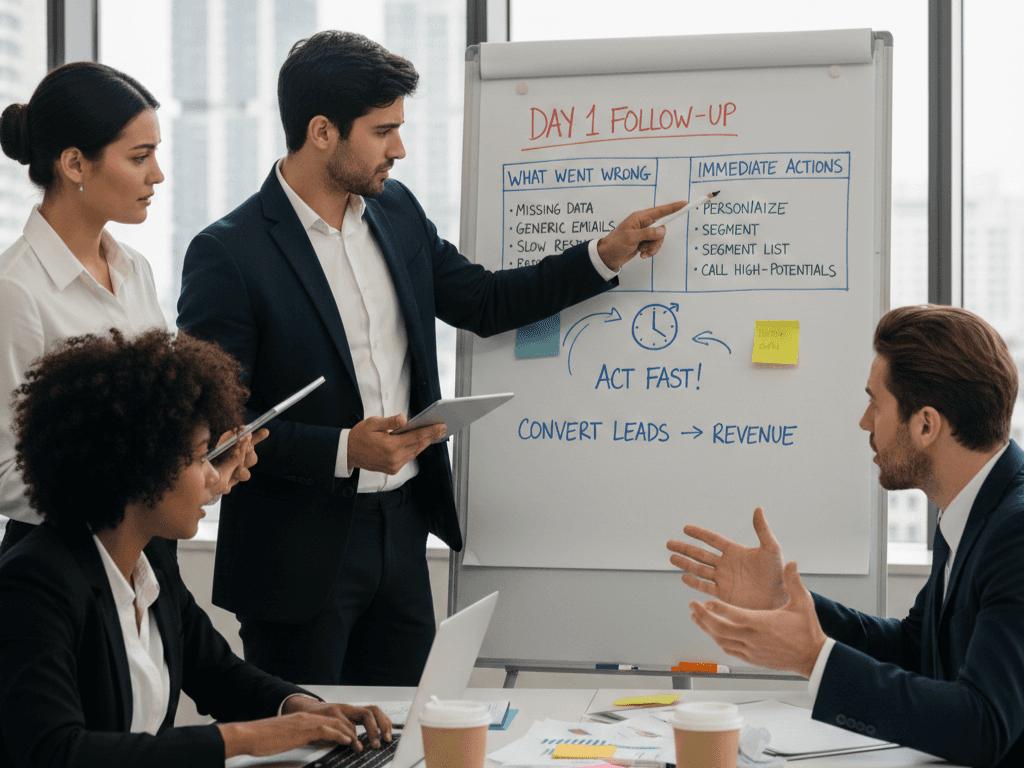
After the exhibition, businesses should:
- Categorize contacts according to their potential value.
- Record customer requirements and key discussion points.
- Send relevant information or product materials to each contact.
- Arrange follow-up meetings when appropriate.
- Evaluate the results against the original objectives.
Documenting these results also helps businesses identify which activities generated value and improve their approach to future exhibitions.
Conclusion
Successful exhibition participation requires a combination of clear business objectives, relevant presentation materials, effective product displays, and a structured approach to networking.
For elevator businesses, improving the way products are presented can be valuable not only at exhibitions but also during website-based consultations and customer discussions.
Looking for a more visual way to present elevator cabins online?
Discover how Liftmira helps elevator businesses showcase cabin designs and material options through interactive experiences.
Liftira Engineering The Liftira Engineering team builds and maintains the platform, SDKs, APIs, and infrastructure that power immersive 3D commerce experiences. We publish technical guides, integration tutorials, architecture deep dives, and product updates for developers.