
What Is Elevator 3D Software? Applications in the Elevator Industry
By Liftmira Engineering, Engineering Team · 4 min read · Updated Nov 9, 2026
What Is Elevator 3D Software?
As 3D modeling and visualization technologies develop, 3D software is being used more widely in the elevator industry. In addition to supporting product design and development, this technology offers new ways for businesses to present products and help customers better picture cabin designs.
Elevator 3D software is a broad term for tools that use three-dimensional models to design, simulate, visualize, or present components of an elevator system.
Depending on their intended use, these tools can support very different tasks, from technical design and 3D modeling to presenting products online.
Common Types of 3D Software in the Elevator Industry
Not all 3D software used in the elevator industry has the same function. It can be grouped into three main application areas.
1. Technical and Structural Design Software
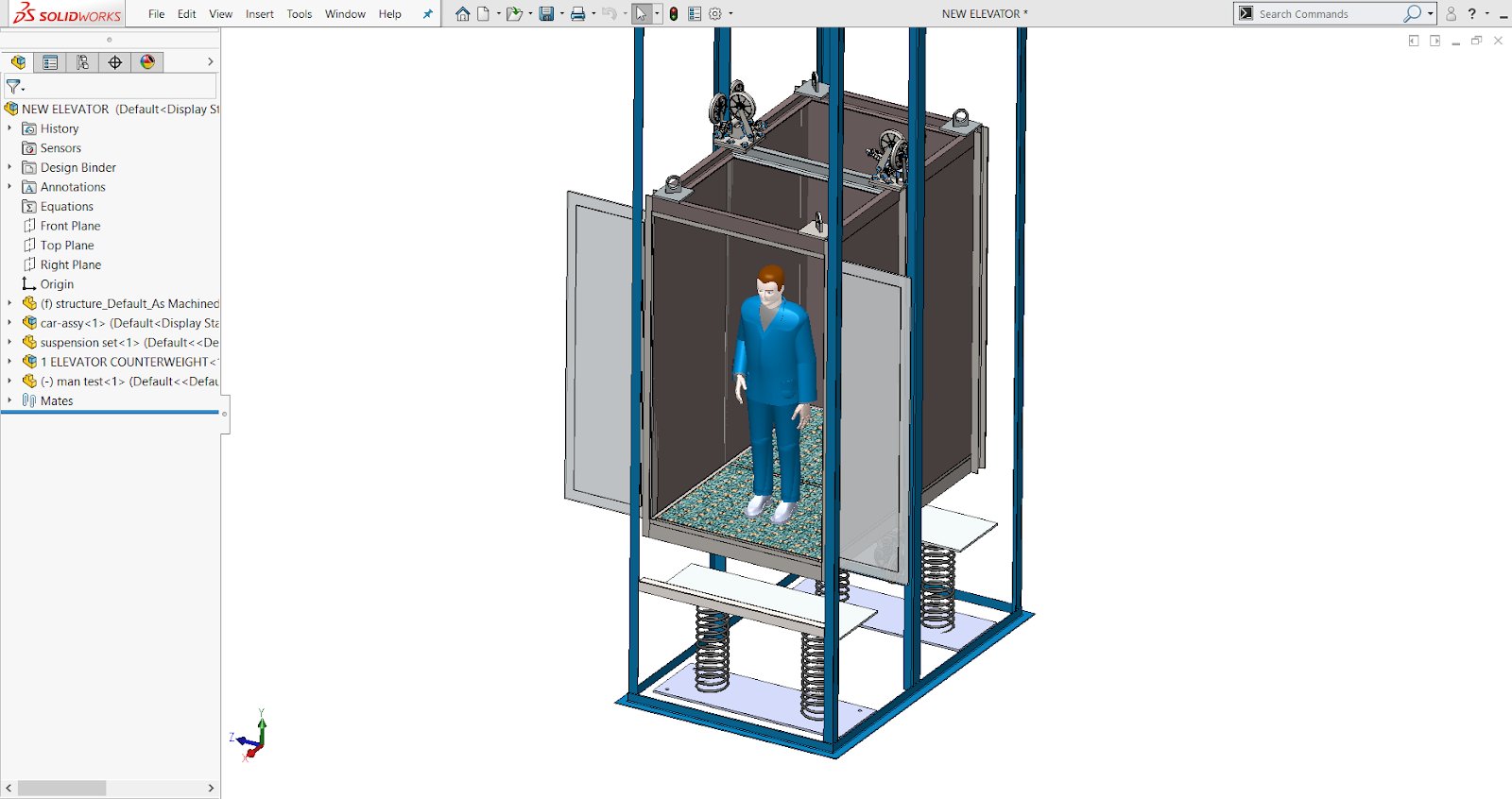
This group of tools supports engineers in designing, building, and checking the technical components of elevators.
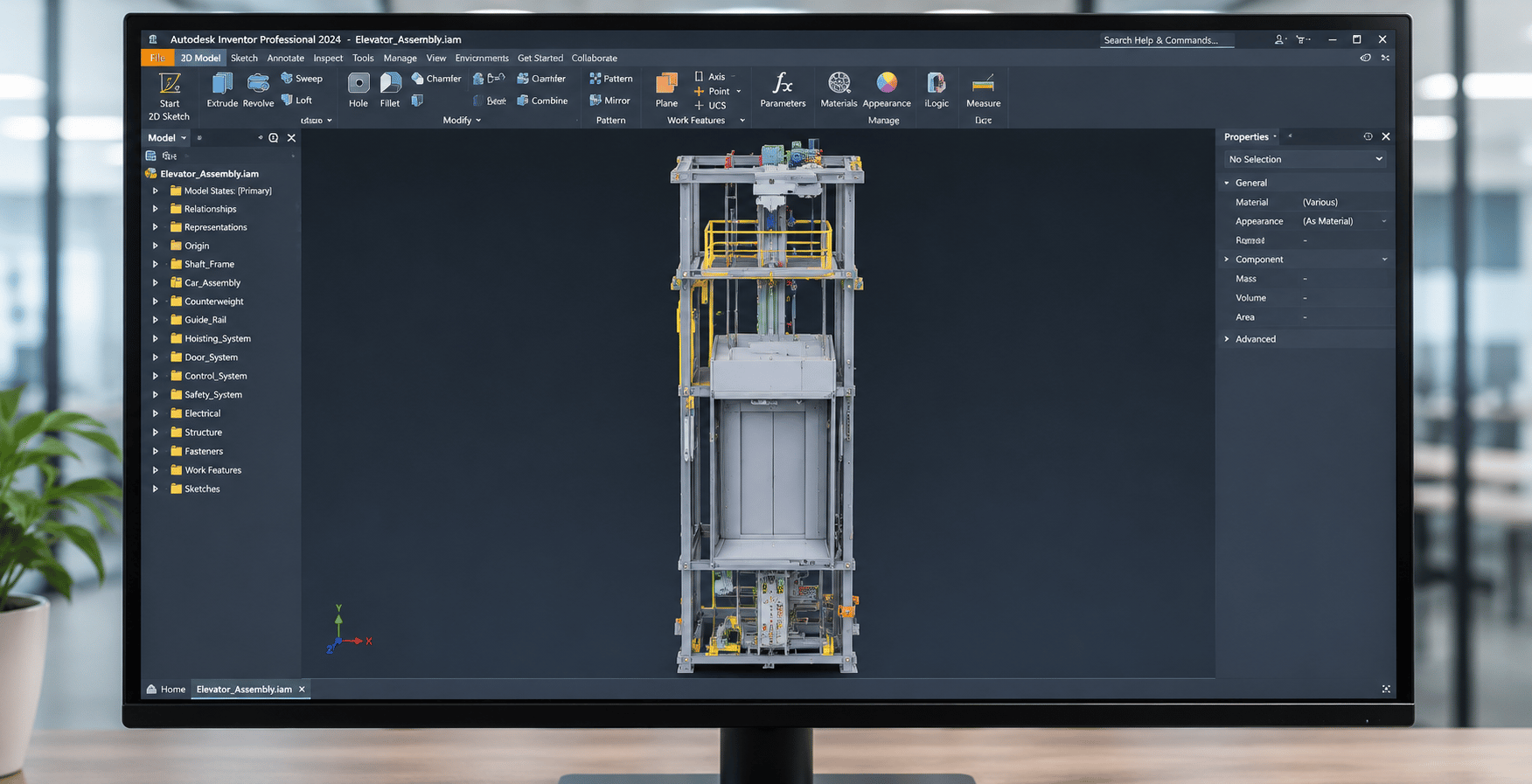
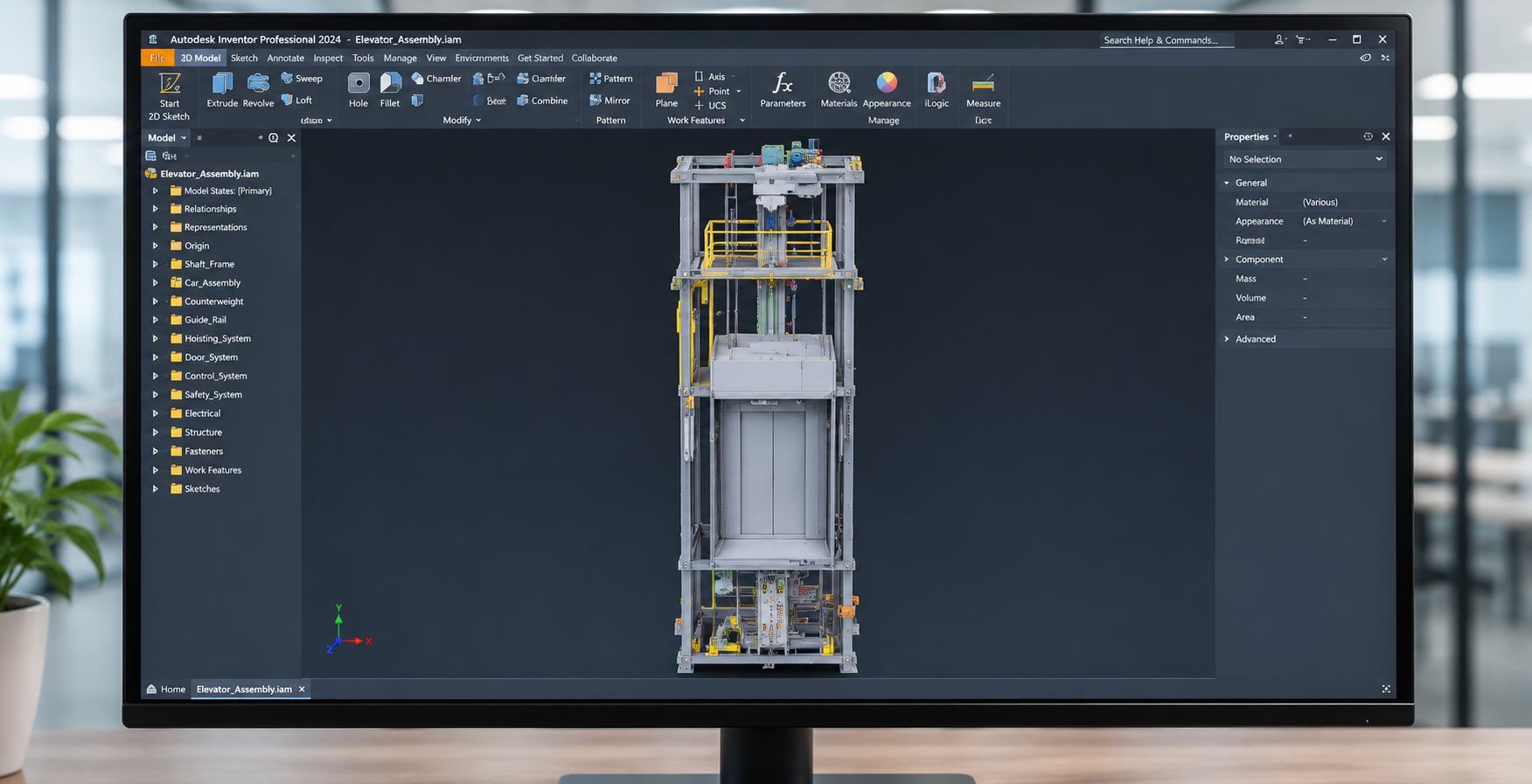
CAD and engineering modeling software such as SOLIDWORKS, AutoCAD, and Autodesk Inventor can be used to create drawings and detailed models and support mechanical design workflows.
These tools focus on engineering accuracy, component specifications, and requirements for manufacturing and installation.
2. 3D Modeling and Visualization Software
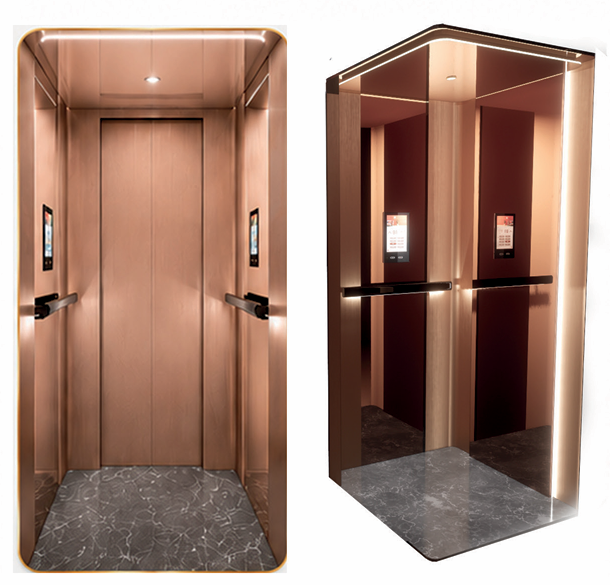
This group focuses on creating three-dimensional representations of products, spaces, or components in an elevator system.
A 3D model allows viewers to examine a product’s shape, proportions, structure, and details from multiple angles.
For elevator cabins, 3D models can show more clearly how cabin walls, ceilings, floors, glass, lighting, and finish details come together.
3. Online Cabin Presentation and Customization Tools
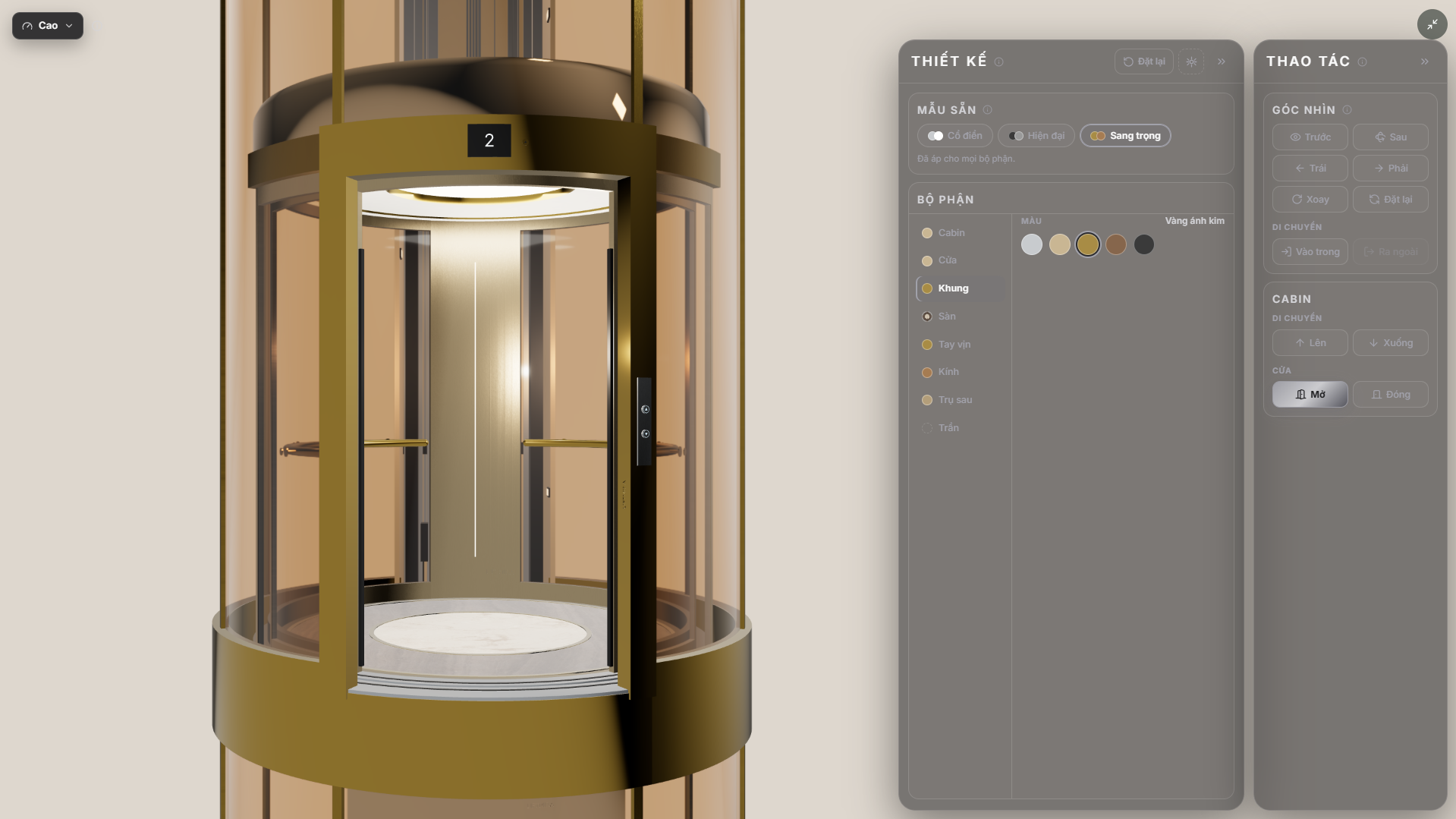
Unlike technical design software, this group of tools is intended to help customers explore products in a more visual and convenient way.
Instead of viewing only images or a catalog, users can interact directly with a 3D cabin model on a website, rotate the view, zoom in on details, and explore color and material combinations from the available options.
This application of 3D technology is relevant to elevator manufacturers, distributors, and installation businesses looking for ways to present products online.
What Benefits Can 3D Technology Offer Elevator Businesses?
**Product visualization: **An elevator cabin combines many components and materials. Presenting it as a 3D model gives viewers a more complete perspective than viewing separate detailed images of individual elements.
**Supporting the consultation process: **When customers can view and explore a cabin model directly, sales representatives have an additional visual tool for explaining the design and product options.
**Exploring different design options: **With tools that support customization, users can change certain attributes, such as colors, materials, or flooring patterns, to see how the options differ.
**Extending the online product presentation experience: **An interactive 3D model can be integrated into a business website, allowing customers to access product information without necessarily visiting a showroom in person.
How Do Technical Design Software and 3D Cabin Presentation Tools Differ?
Both groups of tools use 3D technology, but they serve different purposes.
| Criteria | Technical design software | 3D cabin presentation tool |
|---|---|---|
| Users | Engineers and design teams | Customers, sales representatives, and businesses |
| Purpose | Technical design and development | Product presentation and exploration |
| Focus | Drawings, components, specifications | Visuals, materials, colors, and experience |
| Use | Supports specialized workflows | Can provide an online experience |
| Key value | Supports technical work | Makes products easier to view and picture |
Software should therefore be selected based on the business’s actual use case, rather than solely on its ability to display a 3D model.
Liftmira: An Interactive 3D Solution for Elevator Businesses
Among product presentation tools, **Liftmira **was developed to help elevator businesses present cabins using interactive 3D models directly on their websites.
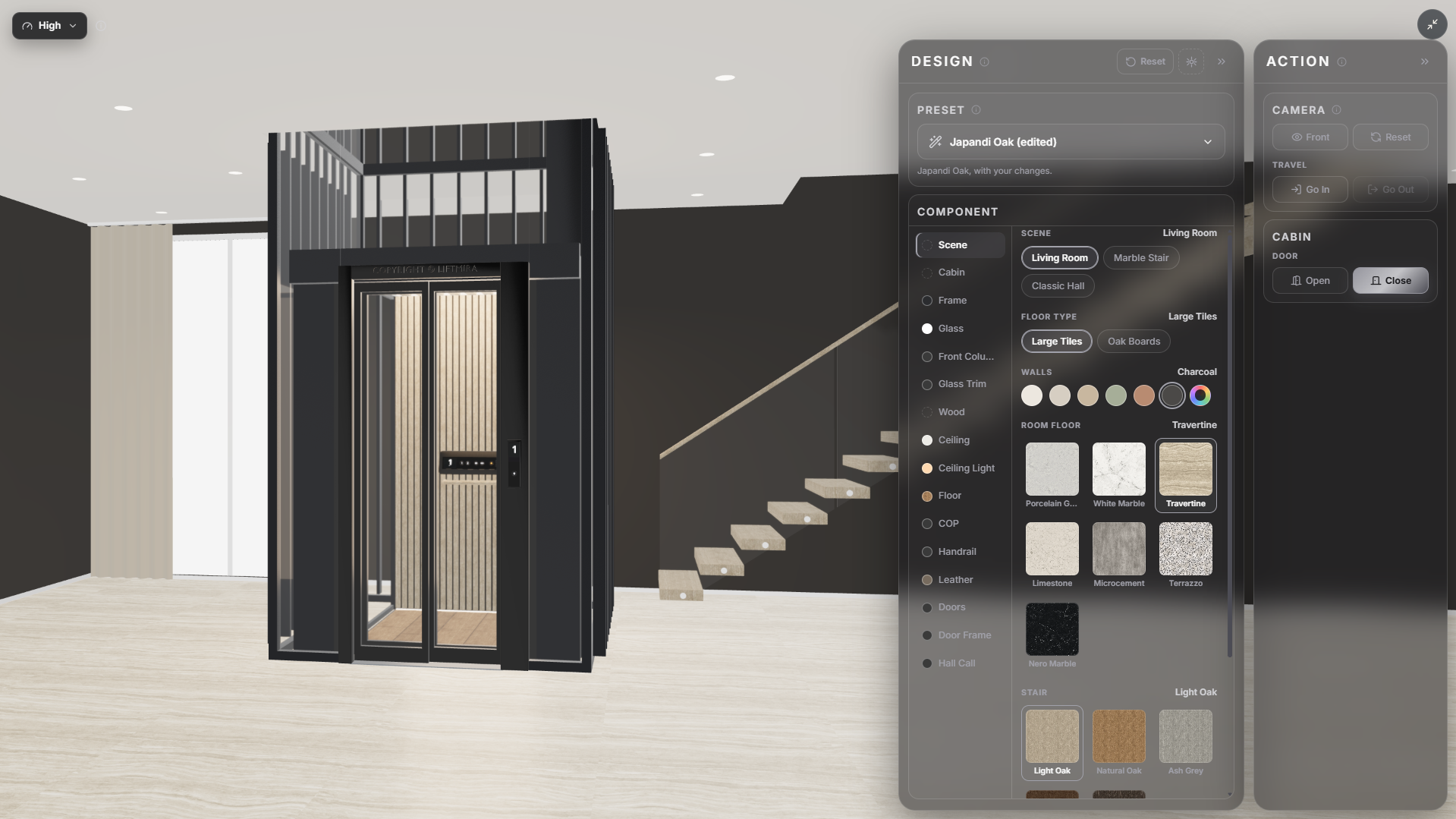
Instead of providing only static images, **Liftmira **lets users explore a cabin model through actions such as:
-
Rotating the model to view the cabin from different angles.
-
Zooming in to see details.
-
Experiencing the action of entering and exiting the cabin.
-
Changing the cabin color, glass color, and flooring pattern.
-
Exploring color and material combinations available in the model.
The solution is designed for elevator manufacturers, distributors, and installation businesses that want to enhance how they present products on digital platforms.
Conclusion
3D software in the elevator industry is not limited to technical design. From modeling to online product presentation and customization, 3D technology is expanding how businesses develop and present products.
For businesses that want customers to view cabins more clearly on their websites, interactive 3D solutions such as **Liftmira **are an application worth exploring.
**Explore interactive 3D elevator cabin models with Liftmira: **https://liftmira.com/vi/demo
Liftmira Engineering The Liftmira Engineering team builds and maintains the platform, SDKs, APIs, and infrastructure that power immersive 3D commerce experiences. We publish technical guides, integration tutorials, architecture deep dives, and product updates for developers.